"대접"서비스
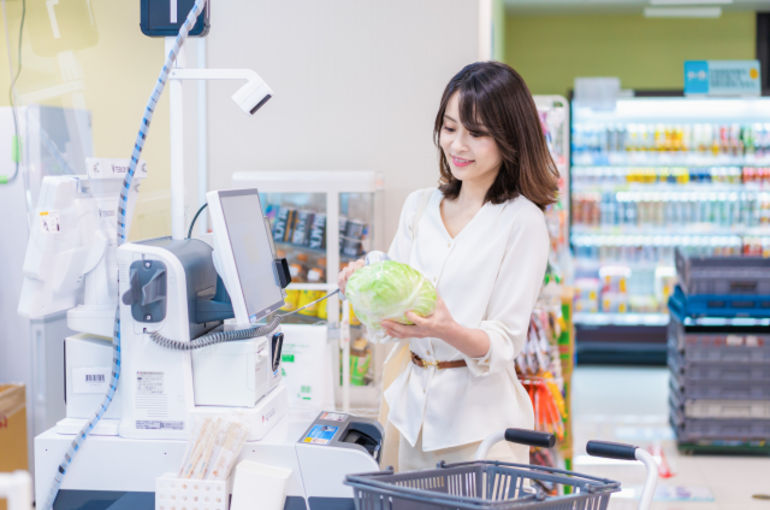
최근 일본에서 생활하고 있으면 급격히 셀프 서비스화가 진행되고 있는 것처럼 느낍니다.
이전에는 라면점만이 식권기에서 주문하고 있었습니다. 지금은 많은 레스토랑과 카페, 심지어 호텔까지도 셀프 서비스를 도입하기 시작하고 있습니다. 그 결과, 인원 삭감에 한몫하고 있습니다. 이러한 변화는, 실은 일본의 인구 구조와 깊이 관련되어 있습니다. 저출산과 고령화가 진행됨에 따라 서비스업에서는 인력 부족이 심각해지고 있기 때문에 많은 기업들이 자동화 설비 도입을 추진하고 있습니다.
그러나 흥미로운 점은 무인화를 추진하는 한편 일본이 '서비스의 질'을 유지하는 노력을 아끼지 않는다는 점입니다. 많은 셀프 서비스의 조작 화면은 직관적으로 조작할 수 있도록 설계되어 음성 안내도 친절하고 차가운 인상을 주지 않도록 고안되어 있습니다. 기술로 효율화를 도모하면서, 종래의 세밀한 서비스 문화를 유지하려고 하는 것처럼 보입니다.
이러한 효율화의 흐름 속에도 사람에 대한 배려나 리스펙트를 잊지 않는 것이 일본의 좋은 곳이라고 나는 생각한다.
【중문】일식 무인화 복무
최근 재일본 생활시, 에쓰쿠코시 아키라구 감감 도일 1개 추세: 「무인화 복무」
이전 가능 只有拉麵店用食券機點餐、但し現在很多餐廳、咖啡店、甚至是飯店、都開始導入自助系統。 진문 선재기기 點餐、付款、餐點好了再自己取餐;有些飯店也開始用自助Check-in 機、幾乎不水要櫃檯人員。
부동진적 상속자청청 가입관방
【English】Japanese Self-service
Living in Japan these days, I get the impression that self-service is becoming increasingly widespread.
In the past, it was only ramen shops that used ticket machines for ordering. Nowadays, many restaurants, cafés and even hotels are beginning to introduce self-service. As a result, this is playing a part in reducing staff numbers. These changes deep structure. With the declining birth rate and ageing population, labour shortages in the service industry are becoming increasingly severe, prompting many companies to move forward with the introduction of automated equipment.
What is interesting, however, is that whilst promoting automation, Japan spares no effort in maintaining 'service quality'. Many self-service interfaces are designed to be intuitive to use, and the voice guidance is friendly, carefully capped to a that the country is striving to maintain its traditional culture of attentive service whilst seeking efficiency through technology.
I believe one of Japan's finest qualities is that, even amidst this drive for efficiency, it never forgets compassion and respect for people.